Reusable gloves


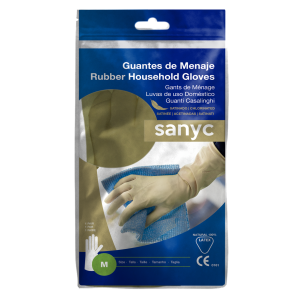
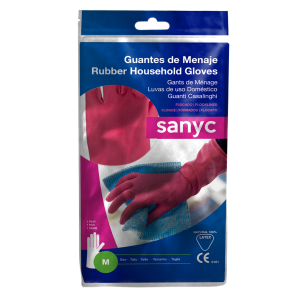
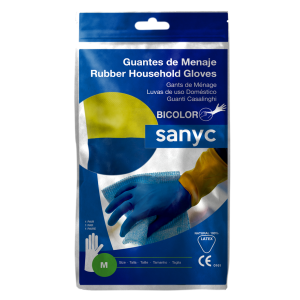
Different types of use and work. All made from high-quality materials and available in various sizes and colours, so they can adapt as best as possible to each environment.

Most common uses of reusable gloves

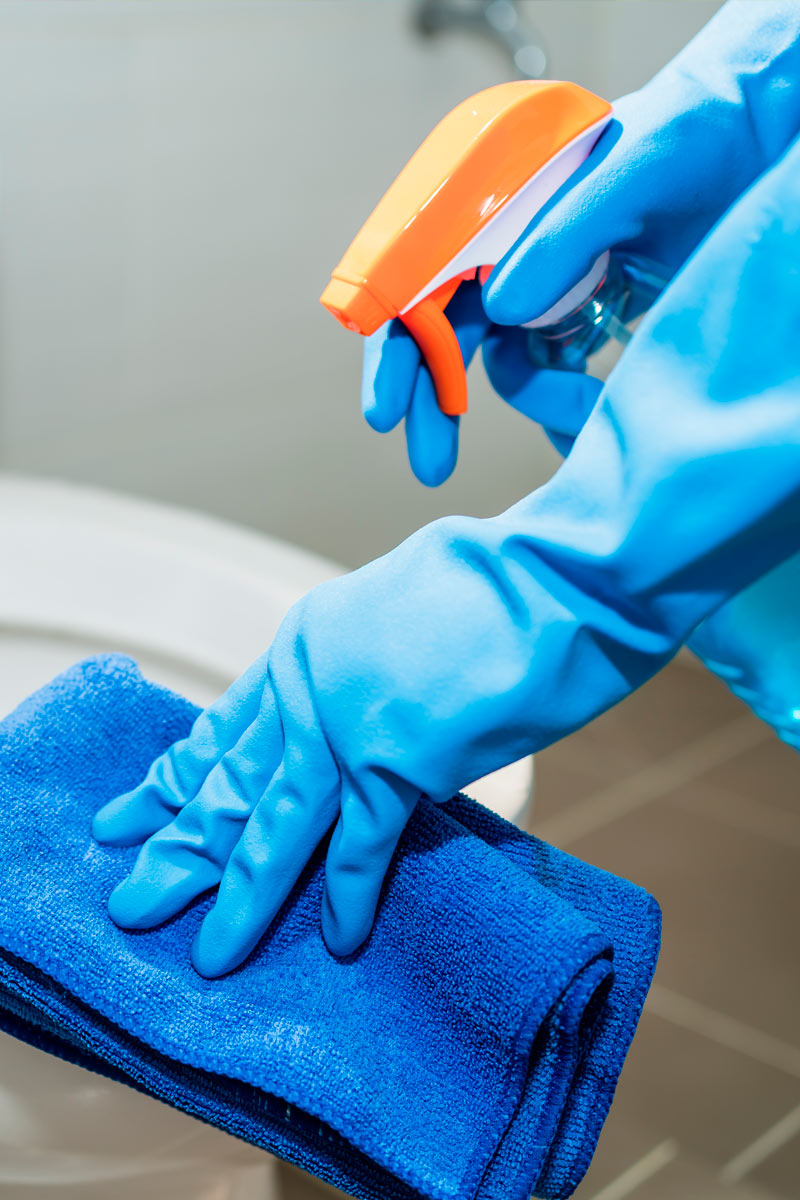
Reusable gloves can be used in a wide range of tasks and activities. They are recommended for work involving low risk of contamination or skin reactions, such as cleaning facilities or handling food.

Depending on the materials used in their composition, some reusable glove models are also able to withstand contact with certain chemical substances.

They are very easy to clean and offer great durability, allowing you to benefit from their advantages for a long period of time.

Types of reusable gloves

Nowadays, we have many reusable glove options to choose from. At IBP Uniuso we offer the following types:

Reusable latex gloves

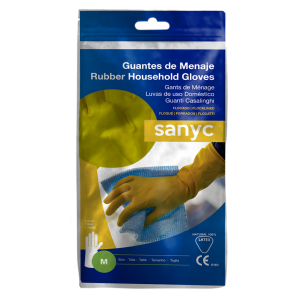
Reusable latex gloves provide resistance to chemical products, oils and microorganisms. They are known for being highly elastic and comfortable.

Except for users with latex allergies, these reusable gloves are usually the most recommended for most tasks.

Reusable neoprene gloves

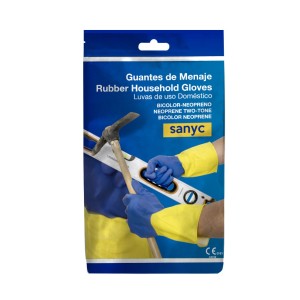
In some cases, reusable gloves include neoprene in their composition, to increase their level of resistance.

They are particularly suitable for the chemical and automotive industries, as well as for industrial-level cleaning work.

It's important to note that these reusable gloves are not suitable for handling certain foods. This information can be found in the technical data sheet of each model.

Reusable nitrile gloves

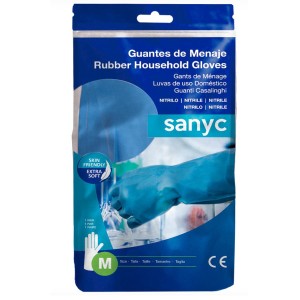
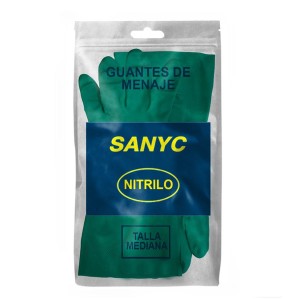
Reusable nitrile gloves are a recommended alternative for those who are allergic to latex. They offer high resistance and durability when used with most substances and can be used both for food handling and for working with chemical products, among many other tasks.

Bolsa BOPP: Características y propiedades

El BOPP, también conocido como Polipropileno Biorientado, es un material que ofrece muy buenas propiedades mecánicas, ópticas y como medida de protección ya que es altamente resistente a golpes, perforaciones y roturas.

En cuanto a sus características, las bolsas en polipropileno ofrece un alto grado de transparencia y brillo, son inocuas y, por lo tanto, no transmiten sabor ni olor. Por ello, el BOPP es un material que puede ser utilizado en diferentes procesos característicos de la industria alimentaria.

Destaca también por su espesor (de 12 a 60 micras) y por su orientación biaxial, característica que la hace contar con una mayor resistencia a la tracción, rigidez y claridad. Además, es un material de fácil manipulación ya que cuenta con una baja densidad de aproximadamente 0,90 g/m. Por otra parte, ofrece excelentes propiedades de barrera antihumedad, acción del oxígeno, contaminación e incluso a sustancias químicas nocivas.

Cabe destacar que las bolsa bopp provocan un impacto relativamente bajo en huella de carbono si es comparado con otros materiales plásticos como el poliéster

Preguntas Frecuentes

El polipropileno biorientado, en ocasiones es más conocido directamente como BOPP, el acrónimo que se utiliza para hacer referencia a este tipo de plástico tan utilizado en diferentes ámbitos y sectores. De hecho, el BOPP (o polipropileno biorientado) se ha convertido en uno de los envases flexibles con mayor uso, versatilidad y precio económico del mercado.

A pesar de no ser completamente biodegradable, el BOPP es un material altamente reciclable ya que puede ser reutilizado y reciclado por completo. De hecho, puede ser reciclado en muchas ocasiones sin perder su valor ni propiedades. Además, cabe destacar la baja generación de huella de carbono que se produce en su producción, siendo mucho menor a la de otros plásticos similares.

El BOPP es un material que ofrece una alta resistencia a golpes, perforación y deterioros incluso a temperaturas extremas. Sin embargo, ofrece cierta flexibilidad y maleabilidad aunque no tanta como otros film menos resistentes como el polietileno de baja densidad.